If you’ve ever checked your website analytics and felt excited because your visitor count keeps growing, you’re not alone. More people are landing on your homepage, browsing your products or services, and even reading your blog. On the surface, everything seems to be moving in the right direction.
But then you look at your sales report.
The traffic is there, but the enquiries are limited. Even when enquiries come in, they don’t always turn into paying customers. Your website is attracting attention, yet your revenue isn’t growing at the same pace.
This is one of the most common challenges businesses face today. The truth is, getting people to visit your website is only half the battle. The real challenge is convincing them to trust your business and take the next step.
The good news is that this problem has solutions. By understanding why visitors leave without converting, you can make strategic improvements that turn your existing traffic into more leads, enquiries, and sales—without spending more money on advertising.
In this article, we’ll explore the most common reasons why your website attracts visitors but fails to convert them into customers, along with practical ways to fix those issues.
The Traffic Trap: Why More Visitors Isn't the Answer
When sales begin to slow down, most businesses immediately focus on getting more traffic. They invest in paid advertising, publish more content, improve their SEO, and become more active on social media.
At first, this seems like the logical solution.
“If 100 visitors generate two customers, then 1,000 visitors should generate twenty.”
Unfortunately, that’s not how it usually works. If your website has conversion problems, bringing in more visitors simply means more people will leave without taking action. You end up spending more on marketing while getting very little in return.
Think of it like trying to fill a bucket with a hole in the bottom. Instead of fixing the hole, you’re pouring in more water. No matter how much you add, you’ll continue losing most of it.
That’s exactly what happens when businesses focus only on traffic while ignoring the visitor experience.
Before investing more money in advertising or marketing campaigns, ask yourself one important question: Why aren’t the people already visiting my website becoming customers?
The answer to that question often reveals where your biggest growth opportunity lies.
1. Your Message Doesn't Match Your Visitor's Problem
People don’t visit your website because they want to learn about your company. They visit because they have a problem, a need, or a goal—and they’re looking for someone who can help them solve it. Within the first few seconds of landing on your website, visitors should immediately understand that they’re in the right place.
They should be able to answer three simple questions:
What problem do you solve?
How will you help me?
Why should I choose you instead of someone else?
Many businesses make the mistake of leading with information about themselves.
We’ve been in business for 20 years.
We’re a leading provider of…
While those statements may be true, they don’t immediately answer the questions that matter most to a potential customer.
Compare these two examples:
We’ve been providing high-quality services since 2004.
Now compare it with: Struggling to generate more qualified leads? Our digital marketing strategies help businesses attract the right customers and increase conversions.
The second message speaks directly to the visitor’s challenge and immediately communicates value. A high-converting website always puts the customer’s problem first and the company story second.
2. Confusing Design Creates Friction
Even if your product or service is excellent, a confusing website can drive visitors away before they ever reach the point of making a decision.
Every unnecessary click, unclear button, or confusing navigation menu creates friction.
Instead of focusing on your offer, visitors spend their time figuring out how your website works.
Some of the most common usability problems include:
– Navigation menus with too many options
– Call-to-action buttons that don’t clearly explain the next step
– Long forms asking for unnecessary information
– Slow-loading pages
– Pop-ups appearing before visitors have explored the page
– An outdated or inconsistent design that reduces credibility
Most visitors won’t tell you why they left. They’ll simply close the page and move on to another website.
The good news is that fixing these issues doesn’t always require a complete redesign.
Sometimes, simplifying your navigation, improving your page speed, rewriting your call-to-action buttons, or moving important information higher on the page can significantly improve conversions.
Small improvements often produce surprisingly big results.
3. You're Trying to Speak to Everyone
One of the biggest mistakes businesses make is trying to appeal to everyone.
To avoid excluding potential customers, they use broad, generic phrases like:
– “High-quality service”
– “Customer satisfaction”
– “Innovative solutions”
– “Trusted company”
The problem is that these statements don’t communicate anything specific.
Visitors want to feel that you understand their exact situation.
Compare these two examples:
“We help businesses grow.”
Now compare it with:
“We help local restaurant owners attract more customers through targeted digital marketing strategies.”
The second statement immediately identifies the audience and speaks directly to their needs.
Specific messaging creates trust because it demonstrates expertise. Generic messaging, on the other hand, makes your business sound like every other competitor.
If your business serves multiple audiences, consider creating dedicated landing pages for each customer segment instead of trying to communicate with everyone through a single page.
The more clearly you speak to your ideal customer, the more likely they are to believe that you’re the right business to solve their problem.
4. Your Website Doesn't Build Enough Trust
Every online purchase involves a certain level of risk. Whether someone is buying a product, booking a service, or filling out a contact form, they’re asking themselves a few important questions before taking the next step.
Can I trust this business?
Will they deliver what they promise?
What happens if something goes wrong?
If your website doesn’t answer these questions, hesitation takes over—and hesitation often leads to lost customers.
Trust isn’t built with one bold claim. It’s built through multiple small signals that reassure visitors they’re making the right decision.
Some of the most effective trust builders include:
– Genuine customer testimonials with real names and photos.
– Case studies that show measurable results.
– Transparent pricing whenever possible.
– Clear contact information, including your phone number, email address, or business location.
– Secure payment badges and SSL certificates.
– Industry certifications, awards, or media mentions.
– Easy-to-find return, refund, or cancellation policies.
Each of these elements reduces uncertainty. The safer visitors feel, the more likely they are to take action. Remember, people don’t simply buy products—they buy confidence.
5. Your Call-to-Action Isn't Strong Enough
One of the simplest reasons visitors fail to convert is that they aren’t clearly told what to do next.
Imagine someone reading your entire page, becoming interested in your offer, and then reaching the end without finding an obvious next step.
It happens more often than most businesses realize.
A strong Call-to-Action (CTA) should do three things:
– Be easy to notice.
– Use clear, action-oriented language.
– Make the next step feel simple and low-risk.
Instead of using vague buttons like:
– Learn More
– Click Here
– Submit
Try using more specific and benefit-focused actions such as:
– Get Your Free Quote
– Book a Free Consultation
– Start Your Free Trial
– Download Your Free Guide
– Schedule a Demo
These CTAs tell visitors exactly what they’ll receive after clicking.
Placement matters as well.
Don’t place your CTA only at the top or bottom of the page.
Some visitors decide within seconds, while others need more information before they’re ready to act. Including clear calls-to-action throughout the page ensures visitors can take the next step whenever they’re ready.
6. Your Mobile Experience Is Costing You Customers
Today, a large percentage of website traffic comes from smartphones rather than desktop computers. Yet many websites are still designed primarily for desktop users and only adjusted later for mobile devices. This creates a poor experience that quietly drives customers away.
Common mobile problems include:
– Text that’s difficult to read.
– Buttons that are too small to tap comfortably.
– Forms that are frustrating to complete on a phone.
– Slow-loading pages on mobile networks.
– Images and layouts that don’t display properly.
Mobile users are often browsing while commuting, shopping, or multitasking. Their patience is limited. If your website feels slow or difficult to use, they’ll leave within seconds and visit a competitor instead. A simple exercise can reveal many hidden problems.
Open your website on your own smartphone and complete the same journey your customers would.
Browse your homepage.
Read your services.
Fill out a form.
Try making a purchase.
If anything feels frustrating to you, it almost certainly feels frustrating to your visitors as well.
7. You're Prioritizing Design Instead of Conversions
A beautiful website isn’t always an effective website.
Many businesses invest heavily in impressive visuals, animations, and modern layouts but overlook the one thing that truly matters—helping visitors make a decision.
Good design certainly builds credibility, but it should always support usability rather than compete with it.
Visitors shouldn’t be distracted by unnecessary effects or overwhelmed by decorative elements.
Every section of your website should serve a clear purpose.
Ask yourself these questions about every element on the page:
– Does it build trust?
– Does it answer an important question?
– Does it move visitors closer to taking action?
If the answer is no, it may not belong on the page. The highest-converting websites aren’t always the flashiest. They’re the ones that communicate clearly, guide visitors naturally, and remove every unnecessary obstacle between curiosity and conversion.
When design supports clarity instead of distracting from it, visitors feel more confident—and confident visitors are far more likely to become customers.
8. Your Website Doesn't Address Customer Objections
Every potential customer has questions before making a purchase.
They may not ask them directly, but they’re thinking about them as they browse your website.
Questions like:
– Is this worth the price?
– How is this different from other options?
– Will this work for my business?
– What kind of support will I receive?
– What happens if I’m not satisfied?
If your website doesn’t answer these concerns, visitors will either leave to find more information or postpone their decision indefinitely.
A high-converting website removes doubt before it becomes a reason to leave.
You can do this by including:
– A detailed FAQ section.
– Product or service comparisons.
– Customer success stories.
– Clear explanations of your process.
– Guarantees, warranties, or refund policies where applicable.
The fewer unanswered questions visitors have, the easier it becomes for them to trust your business.
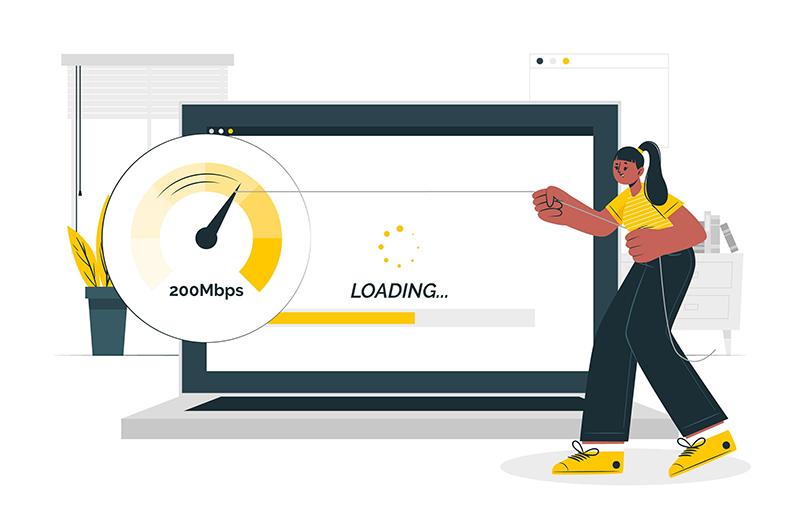
9. Slow Website Speed Is Hurting Your Conversions
Website speed is often overlooked, but it has a direct impact on conversions.
Today’s users expect websites to load almost instantly. If a page takes too long to appear, many visitors will leave before they even see your content.
This becomes even more expensive when you’re running paid advertising.
Every click costs money. If visitors leave because your page loads slowly, you’re losing both potential customers and your advertising budget.
Several factors can slow down a website, including:
– Large, unoptimized images.
– Too many plugins or scripts.
– Poor hosting performance.
– Unnecessary animations and effects.
Improving page speed not only creates a better user experience but also supports better search engine rankings and higher conversion rates.
Sometimes even a one-second improvement in loading time can make a noticeable difference.
10. You're Not Tracking the Right Data
Many businesses measure success by looking only at website traffic.
But traffic alone doesn’t explain what visitors are actually doing.
To improve conversions, you need answers to questions like:
– Which pages do visitors spend the most time on?
– Where do they leave the website?
– Which buttons are they clicking?
– How far do they scroll?
– At which step do they abandon a form or checkout process?
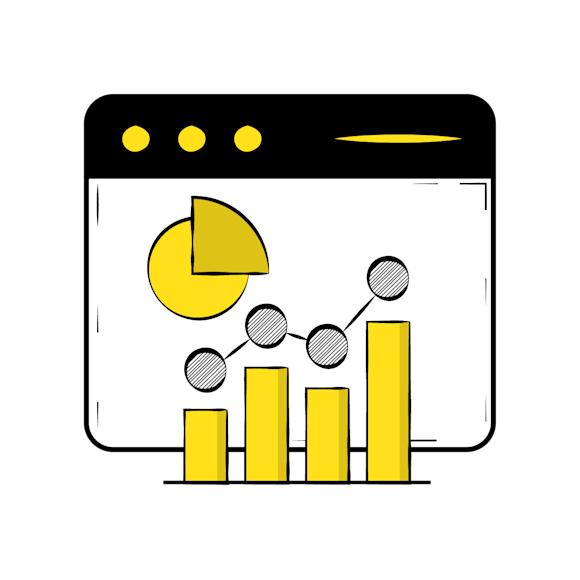
Tools such as heatmaps, session recordings, and conversion funnels can provide valuable insights into visitor behavior. Instead of making assumptions, these tools help you identify exactly where users experience confusion or frustration.
When you understand how people interact with your website, every improvement becomes more focused and effective.